
Car Won't Start, Just Clicks or Battery Dies Overnight? AI+Video Diagnostics
Car just clicks when you turn the key, cranks slowly, keeps going dead after sitting overnight, shows the battery light while driving, has white or blue crust on the terminals, or acts strange after a new battery? Describe what yours is doing and the AI will tell you whether it is the battery, the alternator or the starter, how to test it with a simple multimeter, and match you to the right repair video. More FAQs
Describe your problem below. Our AI will match you with the most relevant repair video and help you understand what is causing the issue - and what to do about it.
- Clicks but won't start
- Cranks slowly or barely starts
- Battery dead after sitting overnight
- Battery light on while driving
- White or blue crust on the terminals
- Rotten egg smell or swollen battery
- Problems after a new battery
These are the videos our AI matches you to during your chat session below — describe your problem and it'll pick the right one and answer your questions as you go. You can also browse them here first.

How to Diagnose Car Battery and Starter Problems

Top 3 Reasons Why Car Cranks Slow — Easy Fix

Car Battery Drains Overnight or After Days of No Use — Parasitic Drain

How to Clean Corroded Car Battery Terminals like a Pro
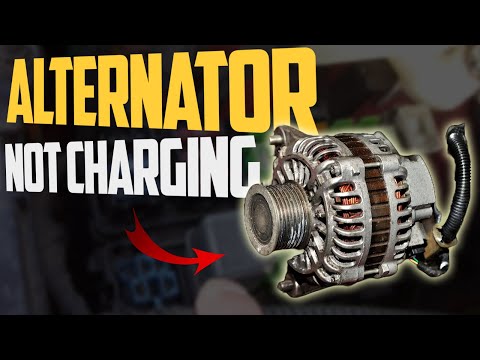
Five Causes Your Alternator Is Not Charging the Battery
Car Battery FAQ: Clicking, Dying Overnight, Battery Light & Arizona Heat
My car just clicks when I turn the key. Is it the battery or the starter?
Listen to the click. Rapid clicking, like a machine gun, almost always means the battery is too weak to turn the starter, or a terminal is loose or corroded. A single loud click with the dash lights staying bright points to the starter or its connection instead. Try the headlights: if they’re dim or go out when you turn the key, it’s the battery. Clean and tighten the terminals and try a jump start. If it starts right up on a jump, the battery (or what’s draining it) is your problem.
How do I test my car battery with a multimeter?
Set the meter to DC volts and put the red lead on the positive post and the black on the negative. With the car off for at least an hour, a healthy, fully charged battery reads about 12.6 volts. 12.4 is about three-quarters charged, 12.2 is half, and under 12.0 is discharged. Then start the engine. Most cars should now read about 13.7 to 14.7 volts, which shows the alternator is charging. Under about 13 volts with the engine running points to the alternator, its belt or wiring, and over 15 volts means it’s overcharging. Newer cars with smart charging can vary a bit from these numbers.
My battery keeps dying after the car sits overnight. Why?
Either the battery can’t hold a charge anymore, or something is draining it while the car is off. First rule out the simple stuff: a trunk, glove box or dome light staying on, a phone charger or dash cam left plugged in. Have the battery tested (many auto parts stores do it free). If the battery is good, you have a parasitic drain. A meter in series with the negative cable shows how much current the parked car pulls. Once the car’s computers fall asleep, which can take 20 to 45 minutes after you lock it, most cars draw under about 50 milliamps. Pulling fuses one at a time finds the circuit that’s draining it.
Why do car batteries die so fast in Arizona?
Heat, not cold, is what wears batteries out. High temperatures speed up the chemical wear and evaporate water inside, so in hot places like Arizona a battery often lasts only 2 to 3 years, compared with 4 to 6 in cooler climates. The damage builds all summer, then the battery fails suddenly, often on the first cool morning when the engine is harder to start. If yours is 3 years old or more, have it tested before summer and before winter. Parking in shade or a garage helps it last longer.
The battery light came on while I was driving. What should I do?
It means the alternator isn’t charging, so the car is now running on battery alone and may stall within a few miles. Turn off the AC, radio and other extras, and drive straight to a safe place. Watch the temperature gauge too. On many engines the same belt drives the alternator and the water pump, so if the belt broke and the engine starts to overheat, pull over and shut it off. The usual causes are a failed alternator, a broken or slipping belt, or a loose or corroded cable.
What’s the white or blue crust on my battery terminals?
That’s corrosion from tiny amounts of acid and gas escaping the battery, and it can block the current enough to cause slow or no starts. Wearing gloves and eye protection, disconnect the negative cable first, then the positive, and scrub the posts and clamps with a mix of baking soda and water and a wire brush. Rinse, dry, reconnect positive first then negative, and coat the terminals with a little terminal grease or protector spray to slow it from coming back. Heavy corrosion that keeps returning can mean the battery is overcharging or near the end of its life.
My battery smells like rotten eggs or looks swollen. Is that dangerous?
Yes. That smell is sulfur gas from a battery that’s overheating, usually from overcharging or an internal failure, and a swollen case means the same thing. Turn the engine off, keep sparks and flames away, and don’t jump-start or charge it. Let it cool with the hood open. Replace the battery, and have the charging system checked. If the alternator is putting out over about 15 volts, it will ruin the new battery too.
I put in a new battery and now warning lights are on. Why?
Many newer cars need to be told a new battery was installed. The charging system tracks the old battery’s age and charges a new one wrong until it’s registered with a scan tool. This is common on cars with start-stop, which also need the right battery type (usually AGM or EFB). A regular battery in a start-stop car fails early. Power windows, the sunroof and the radio may also need a simple reset after losing power. Tell the AI diagnostic your make, model and year for the specifics.
How does the AI diagnostic help with my car battery or charging problem?
Tell it your make, model and year, the battery’s age, and what’s happening: the sound when you turn the key, the dash lights, your multimeter readings if you have them. It tells you whether the battery, the alternator or the starter is most likely the cause, how to test it, and matches you to the repair video for that fix. You can ask questions as you work.