
Brakes Squealing, Grinding or Pedal Going Soft? AI+Video Diagnostics
Safety first: if your brakes grind metal on metal, the pedal sinks toward the floor, the red brake warning light is on, or the car pulls hard to one side when you brake, do not drive it until it is checked. For everything else, like squealing, a soft or spongy pedal, shaking when you stop, a burning smell from one wheel, or squeaks after rain, describe what your brakes are doing and the AI will tell you what is likely causing it, whether it is safe to drive, and match you to the right repair video. More FAQs
Describe your problem below. Our AI will match you with the most relevant repair video and help you understand what is causing the issue — and what to do about it.
- Squealing or squeaking
- Grinding, metal on metal
- Soft, spongy or low pedal
- Pedal sinks to the floor at a stop
- Shaking or pulsing when braking
- Pulls to one side or burning smell
- Red brake light or ABS light on
These are the videos our AI matches you to during your chat session below — describe your problem and it'll pick the right one and answer your questions as you go. You can also browse them here first.
How to Fix Squeaky Brakes in Your Car
Top 4 Reasons Why Your Brake Pedal Feels Spongy / Mushy / Squishy Or Soft
4 Reasons Your Brake Pedal Goes to The Floor & How to Fix It
Does Your Car Shake When You Brake, Do This
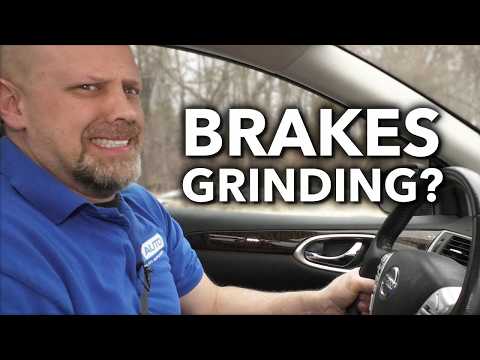
Grinding Noise When Braking? What's That Noise in My Car, Truck, or SUV?
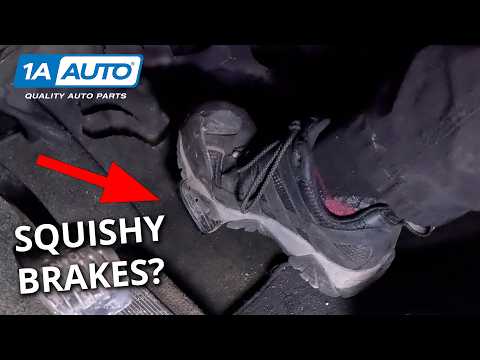
Soft Brakes? Pedal to the Floor? 5 Common Car Brake Problems to Check
Brakes FAQ: When to Stop Driving, Squeals, Grinding, Soft Pedals & Shaking
When are brake problems too dangerous to drive on?
Stop driving and get it checked if the brakes grind metal on metal, the pedal sinks toward the floor or goes much lower than normal, the red BRAKE warning light is on with the parking brake fully released, the car pulls hard to one side when you brake, or you smell burning from one wheel. Each of these can mean the brakes are close to failing. Most other symptoms, like a squeal, a little shake or a squeak after rain, give you time to plan a repair, but don’t put them off.
My brakes squeal when I stop. Do I need new pads?
Maybe. If they squeak for the first few stops after rain or a night outside and then go quiet, that’s just surface rust wiping off the rotors, and it’s normal. A steady, high-pitched squeal every time you brake, which started recently, is often the wear indicator, a small metal tab built into the pads that squeals on purpose when they’re getting low. Plan to replace the pads soon. Squeals can also come from glazed pads or missing anti-squeal grease, which a pad service fixes.
My brakes are grinding. How bad is that?
Bad. Grinding usually means the pad material is gone and the steel backing plate is scraping the rotor, metal on metal. Your stopping power is reduced, and every stop is cutting into the rotor, which turns a pad job into a pads-and-rotors job. Don’t drive it except straight to a repair. Occasionally a small stone stuck between the shield and the rotor makes a similar sound, but have it checked rather than guess.
My brake pedal feels soft and spongy. What causes that?
Usually air in the brake lines, or old brake fluid that has absorbed water. Brake fluid pulls in moisture over the years, which lowers its boiling point and makes the pedal soft when the brakes get hot. A leak in a hose, line or caliper does the same, so look for wet spots near the wheels and check the fluid level. Bleeding the brakes with fresh fluid of the type printed on the reservoir cap (usually DOT 3 or DOT 4) fixes air and old fluid. If the pedal keeps getting lower, see the next question.
My brake pedal slowly sinks to the floor at a stop light. Is that dangerous?
Yes, don’t drive it except to get it fixed. A pedal that keeps sinking while you hold steady pressure usually means the master cylinder is leaking internally, or there’s a fluid leak somewhere in the system. Check the reservoir level and look for wet spots on the inside of the wheels and under the car. A leaking master cylinder can fail suddenly, so it needs repair right away.
My car shakes when I brake. Are my rotors warped?
Often, yes, or close to it. Vibration in the steering wheel or a pulsing pedal when you slow down from highway speed usually comes from rotors with uneven thickness, or pad material deposited unevenly on them, which is commonly called warped rotors. Replacing or resurfacing the rotors with new pads fixes it. If it shakes at all speeds and not just when braking, check the tires and wheel balance instead.
My car pulls to one side and one wheel smells hot. What’s going on?
That’s usually a sticking brake caliper. Its piston or slide pins seize from rust and dirt, so that brake keeps dragging even when you’re off the pedal. The wheel gets very hot, you may smell burning, and the car pulls toward that side. Don’t keep driving on it, because a dragging brake can overheat until it stops working. A collapsed brake hose can cause the same thing. Both are common repairs.
I just replaced my brake pads. Anything I should know before driving?
Yes: pump the brake pedal until it’s firm before you move the car. Pushing the caliper pistons back to fit the new pads leaves a gap, and the first press can go straight to the floor. Check the fluid level afterward, since it rises when pistons are pushed back. Test at low speed in an empty lot, then bed in the new pads by doing several moderate stops from about 30 mph. Always support the car on jack stands, never only a jack, while you work.
How does the AI diagnostic help with my brakes?
Tell it your make, model and year and exactly what the brakes are doing: the sound, how the pedal feels, any warning lights, and when it happens. It tells you whether it’s safe to drive, points you to the most likely cause, and matches you to the repair video for that fix. You can ask questions as you work.